

No hay productos en el carrito
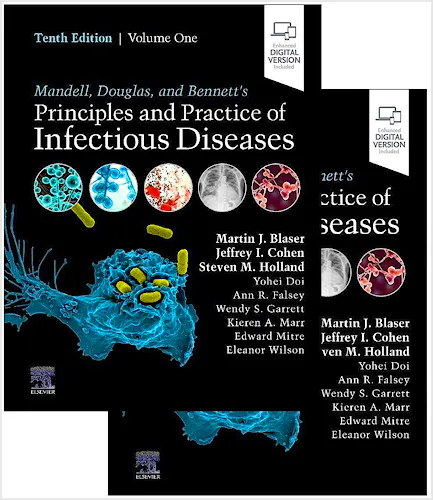
MANDELL, DOUGLAS and BENNETT's Principles and Practice of Infectious Diseases (2 Volume Set)
Blaser, M. — Cohen, J. — Holland, S.
10ª Edición Agosto 2025
Inglés
Tapa dura
4176 pags
8370 gr
22 x 28 x 9 cm
ISBN 9780323934992
Editorial ELSEVIER
LIBRO IMPRESO

-5%
479,38 €455,41 €IVA incluido
460,94 €437,89 €IVA no incluido
Recíbelo en un plazo de
7 - 10 días
LIBRO ELECTRÓNICO
-5%
366,07 €347,77 €IVA incluido
351,99 €334,39 €IVA no incluido
Acceso On Line
Inmediato
- PART I: Basic Principles in the Diagnosis and Management of Infectious Diseases
- Section A: Microbial Pathogens
- 1. A Molecular Perspective of Microbial Pathogenicity
- 2. The Human Microbiome
- 3. Prebiotics, Probiotics, and Synbiotics
- Section B: Host Defense Mechanisms
- 4. Innate (General or Nonspecific) Host Defense Mechanisms
- 5. Adaptive Immunity: Antibodies and Immunodefiencies
- 6. Cell-Mediated Defense Against Infection
- 7. Mucosal Immunity
- 8. Granulocytic Phagocytes
- 9. Complement and Deficiencies
- 10. Human Genetics and Infection
- 11. Nutrition, Immunity, and Infection
- 12. Evaluation of the Patient with Suspected Immunodeficiency
- Section C: Epidemiology of Infectious Disease
- 13. Principles of Applied Epidemiology for the Practice of Infectious Diseases
- 14. Emerging and Reemerging Infectious Disease Threats
- 15. Bioterrorism: An Overview
- Section D: Clinical Microbiology
- 16. The Clinician and the Microbiology Laboratory: Test Ordering, Specimen Collection, and Result Interpretation
- Section E: Antiinfective Therapy
- 17. Principles of Anti-Infective Therapy
- 18. Molecular Mechanisms of Antibiotic Resistance in Bacteria
- 19. Pharmacokinetics and Pharmacodynamics of Anti-Infective Agents
- 20. Penicillins and β-Lactamase Inhibitors
- 21. Cephalosporins and Cephalosporin/β-Lactamase Inhibitor Combinations
- 22. Carbapenems, Carbapenem/β-Lactamase Inhibitor Combinations, and Aztreonam
- 23. Antibiotic Allergy
- 24. Aminoglycosides
- 25. Tetracyclines, Tetracycline Derivatives, and Chloramphenicol
- 26. Rifamycins
- 27. Metronidazole
- 28. Macrolides and Clindamycin
- 29. Glycopeptides (Vancomycin and Teicoplanin) and Lipoglycopeptides (Telavancin, Oritavancin, and Dalbavancin)
- 30. Streptogramins (Quinupristin-Dalfopristin) and Lipopeptides (Daptomycin)
- 31. Polymyxins (Polymyxin B and Colistin)
- 32. Linezolid, Tedizolid, and Other Oxazolidinones
- 33. Sulfonamides and Trimethoprim; Trimethoprim-Sulfamethoxazole
- 34. Quinolones
- 35. Antibiotics in Advanced Development and Other Agents
- 36. Urinary Tract Agents: Nitrofurantoin, Fosfomycin and Methenamine
- 37. Topical Antibacterials
- 38. Antimycobacterial Agents
- 39. Bacteriophage Therapy, Endolysin Therapy and Antimicrobial Peptide Therapy
- 40. Antifungal Agents: Polyene Antifungals
- 41. Antifungal Drugs: Azole
- 42. Antifungal Drugs: Echinocandins and Other Beta-D-glucan Inhibitors
- 43. Antifungal Drugs: Flucytosine
- 44. Antimalarial Drugs
- 45. Drugs for Protozoal Infections Other Than Malaria
- 46. Drugs for Helminths
- 47. Antiviral Agents: General Principles
- 48. Antiviral Drugs for Influenza and Other Respiratory Virus Infections Except for SARS-CoV-2
- 49. Antivirals Against Herpesviruses
- 50. Antiviral Drugs Against Hepatitis Viruses
- 51. Miscellaneous Antivirals Agents (Interferons, Tecovirimat, Imiquimod, Pocapavir)
- 52. Immunomodulators
- 53. Hyperbaric Oxygen
- 54. Antimicrobial Stewardship
- 55. Designing and Interpreting Clinical Studies in Infectious Diseases
- 56. Outpatient Parenteral Antimicrobial Therapy
- PART II: Major Clinical Syndromes
- Section A: Fever
- 57. Temperature Regulation and the Pathogenesis of Fever
- 58. Fever of Unknown Origin
- 59. The Acutely Ill Patient with Fever and Rash
- Section B: Upper Respiratory Tract Infections
- 60. The Common Cold
- 61. Pharyngitis
- 62. Acute Laryngitis
- 63. Otitis Externa, Otitis Media, and Mastoiditis
- 64. Sinusitis
- 65. Epiglottitis
- 66. Infections of the Oral Cavity, Neck, and Head
- Section C: Pleuropulmonary and Bronchial Infections
- 67. Acute Bronchitis
- 68. Acute Exacerbations of Chronic Obstructive Pulmonary Disease
- 69. Acute Pneumonia
- 70. Pleural Effusion and Empyema
- 71. Bacterial Lung Abscess
- 72. Chronic Pneumonia
- 73. Cystic Fibrosis
- Section D: Urinary Tract Infections
- 74. Urinary Tract Infections
- Section E: Sepsis
- 75. Sepsis and Septic Shock
- Section F: Intraabdominal Infections
- 76. Peritonitis and Intraperitoneal Abscesses
- 77. Infections of the Liver and Biliary System (Liver Abscess, Cholangitis, Cholecystitis)
- 78. Pancreatic Infection
- 79. Splenic Abscess
- 80. Appendicitis
- 81. Diverticulitis and Neutropenic Enterocolitis
- Section G: Cardiovascular Infections
- 82. Endocarditis and Intravascular Infections
- 83. Prosthetic Valve Endocarditis
- 84. Infections of Nonvalvular Cardiovascular Devices
- 85. Prophylaxis of Infective Endocarditis
- 86. Myocarditis and Pericarditis
- 87. Mediastinitis
- Section H: Central Nervous System Infections
- 88. Approach to the Patient with Central Nervous System Infection
- 89. Acute Meningitis
- 90. Chronic Meningitis
- 91. Encephalitis
- 92. Brain Abscess
- 93. Subdural Empyema, Epidural Abscess, and Suppurative Intracranial Thrombophlebitis
- 94. Cerebrospinal Fluid Shunt and Drain Infections
- Section I: Skin and Soft Tissue Infections
- 95. Cellulitis, Necrotizing Fasciitis, and Subcutaneous Tissue Infections
- 96. Myositis and Myonecrosis
- 97. Lymphadenitis and Lymphangitis
- Section J: Gastrointestinal Infections and Food Poisoning
- 98. Syndromes of Enteric Infection
- 99. Esophagitis
- 100. Diarrhea with Little or No Fever
- 101. Acute Dysentery Syndromes (Diarrhea with Fever)
- 102. Typhoid Fever, Paratyphoid Fever, and Typhoidal Fevers
- 103. Foodborne Disease (Food Poisoning)
- 104. Tropical Sprue and Environmental Enteric Dysfunction
- Section K: Bone and Joint Infections
- 105. Infectious Arthritis of Native Joints
- 106. Osteomyelitis
- 107. Orthopaedic Implant-Associated Infections
- Section L: Diseases of The Reproductive Organs and Sexually Transmitted Diseases
- 108. Anogenital Skin and Mucous Membrane Lesions
- 109. Urethritis
- 110. Vulvovaginitis and Cervicitis
- 111. Infections of the Female Pelvis
- 112. Prostatitis, Epididymitis, and orchitis
- Section M: Eye Infections
- 113. Introduction to Eye Infections
- 114. Microbial Conjunctivitis
- 115. Microbial Keratitis
- 116. Endophthalmitis
- 117. Infectious Causes of Uveitis
- 118. Periocular Infections
- Section N: Hepatitis
- 119. Viral Hepatitis
- Section O: Acquired Immunodeficiency Syndrome
- 120. Human Immunodeficiency Viruses
- 121. Global Perspectives on Human Immunodeficiency Virus Infection and Acquired Immunodeficiency Syndrome
- 122. Epidemiology and Prevention of AIDS and HIV Infection, Including Preexposure Prophylaxis and HIV Vaccine Development
- 123. Diagnosis of Human Immunodeficiency Virus Infection
- 124. The Immunology of HIV-1 Infection, Mechanisms of Viral Persistence, and Prospects for Cure
- 125. General Clinical Manifestations of Human Immunodeficiency Virus Infection (Including Acute Retroviral Syndrome and Oral, Cutaneous, Renal, Ocular, Metabolic, and Cardiac Diseases)
- 126. Pulmonary Manifestations of Human Immunodeficiency Virus Infection
- 127. Gastrointestinal Hepatobiliary and Pancreatic Manifestations of Human Immunodeficiency Virus Infection
- 128. Neurologic Diseases Caused By Human Immunodeficiency Virus Type 1 and Opportunistic Infections
- 129. Pediatric Human Immunodeficiency Virus Infection
- 130. Antiretroviral Therapy for Human Immunodeficiency Virus Infection
- 131. Management of Opportunistic Infections Associated with Human Immunodeficiency Virus Infection
- Section P: COVID-19
- 132. Severe Acute Respiratory Syndrome Coronavirus 2 (SARS-CoV-2) Virology
- 133. Global perspective and Epidemiology of COVID-19
- 134. Immunology and Diagnosis of SARS-CoV-2 and COVID-19
- 135. Clinical Manifestations of COVID-19 in Adults and Children
- 136. Treatment and Prevention of SARS-CoV-2 (COVID-19)
- Section Q: Miscellaneous Syndromes
- 137. Myalgic Encephalomyelitis/Chronic Fatigue Syndrome
- PART III: Infectious Diseases and Their Etiologic Agents
- Section A: Viral Diseases
- 138. Biology of Viruses and Viral Diseases
- 139. Orthopoxviruses: Vaccinia (Smallpox Vaccine), Variola (Smallpox), Mpox, and Cowpox
- 140. Other Poxviruses That Infect Humans: (Including Orf Virus) Molluscum Contagiosum, and Yatapoxviruses
- 141. Introduction to Herpesviridae
- 142. Herpes Simplex Virus
- 143. Chickenpox and Herpes Zoster (Varicella-Zoster Virus)
- 144. Cytomegalovirus
- 145. Epstein-Barr Virus (Infectious Mononucleosis, Epstein-Barr Virus–Associated Malignant Diseases, and Other Diseases)
- 146. Human Herpesvirus Types 6 and 7 (Exanthem Subitum)
- 147. Kaposi’s Sarcoma–Associated Herpesvirus (Human Herpesvirus Type 8)
- 148. Herpes B Virus
- 149. Adenoviruses
- 150. Papillomaviruses
- 151. JC, BK, and Other Polyomaviruses: Progressive Multifocal Leukoencephalopathy, BK Nephropathy, and Merkel Cell Carcinoma
- 152. Hepatitis B Virus
- 153. Hepatitis D Virus
- 154. Human Parvoviruses, Including Parvovirus B19, Human Bocaviruses, and Adeno-Associated Viruses (AAVs)
- 155. Orthoreoviruses and Orbiviruses
- 156. Coltiviruses (Colorado Tick Fever Virus) and Seadornaviruses
- 157. Rotaviruses
- 158. Alphaviruses
- 159. Rubella Virus (German Measles)
- 160. Flaviviruses (Dengue, Yellow Fever, Japanese Encephalitis, West Nile Encephalitis, Usutu Encephalitis, St. Louis Encephalitis, Tick-Borne Encephalitis, Powassan Encephalitis, Kyasanur Forest Disease, Alkhurma Hemorrhagic Fever, Zika)
- 161. Hepatitis C
- 162. Coronaviruses, Including Severe Acute Respiratory Syndrome (SARS) and Middle East Respiratory Syndrome (MERS)
- 163. Parainfluenza Viruses
- 164. Mumps Virus
- 165. Respiratory Syncytial Virus
- 166. Human Metapneumovirus
- 167. Measles Virus (Rubeola)
- 168. Zoonotic Paramyxoviruses: Nipah, Hendra, and Menangle Viruses
- 169. Vesicular Stomatitis Virus and Related Vesiculoviruses (Chandipura Virus)
- 170. Rabies (Rhabdoviruses)
- 171. Marburg and Ebola Virus Hemorrhagic Fevers
- 172. Influenza Viruses, Including Avian Influenza and Swine Influenza
- 173. Bunyavirus Infections: Hantavirus Syndromes, La Crosse encephalitis, Rift Valley Fever, Crimean-Congo Hemorrhagic Fever, and Others
- 174. Lymphocytic Choriomeningitis Virus, Lassa Virus, Lujo Virus, and the South American Hemorrhagic Fever Viruses (Arenaviruses)
- 175. Human T-Lymphotropic Virus
- 176. Introduction to the Human Enteroviruses and Parechoviruses
- 177. Poliovirus
- 178. Coxsackieviruses, Echoviruses and Numbered Enteroviruses (EVD-68, EVD-70, EV-A71)
- 179. The Human Parechoviruses
- 180. Hepatitis A Virus
- 181. Rhinovirus
- 182. Noroviruses and Sapoviruses (Caliciviruses)
- 183. Astroviruses and Picobirnaviruses
- 184. Hepatitis E Virus
- 185. Prions and Prion Diseases of the Central Nervous System (Transmissible Neurodegenerative Diseases)
- 186. Chlamydia Trachomatis (Urogenital Infections and Trachoma)
- 187. Psittacosis (Due to Chlamydia psittaci)
- 188. Chlamydia Pneumoniae
- 189. Mycoplasmoides (Mycoplasma) pneumoniae
- 190. Genital Mycoplasmas: Mycoplasma Genitalium, Mycoplasma Hominis, Ureaplasma Species
- 191. Introduction to Rickettsioses, Ehrlichioses, and Anaplasmosis
- 192. Rickettsia Rickettsii and Other Spotted Fever Group Rickettsiae (Rocky Mountain Spotted Fever and Other Spotted Fevers)
- 193. Coxiella Burnetii (Q Fever)
- 194. Rickettsia Prowazekii (Epidemic or Louse-Borne Typhus)
- 195. Rickettsia Typhi (Murine Typhus)
- 196. Orientia Tsutsugamushi (Scrub Typhus)
- 197. Ehrlichia chaffeensis, Anaplasma phagocytophilum, and Other Anaplasmataceae
- 198. Introduction to Bacteria and Bacterial Diseases
- 199. Staphylococcus Aureus
- 200. Staphylococcus Epidermidis and Other Coagulase-Negative Staphylococci
- 201. Classification of Streptococci
- 202. Streptococcus Pyogenes (Group A streptococcus)
- 203. Nonsuppurative Poststreptococcal Sequelae: Rheumatic Fever and Glomerulonephritis
- 204. Streptococcus Pneumoniae
- 205. Enterococcus Species, Streptococcus Gallolyticus Group and Leuconostoc Species
- 206. Streptococcus Agalactiae (Group B Streptococcus)
- 207. Viridans Streptococci, Nutritionally Variant Streptococci, and Groups C and G Streptococci
- 208. Streptococcus Anginosus Group
- 209. Corynebacterium Diphtheriae (Diphtheria)
- 210. Other Coryneform Bacteria and Rhodococci
- 211. Listeria Monocytogenes
- 212. Bacillus Anthracis (Anthrax)
- 213. Bacillus Species and Related Genera Other Than Bacillus Anthracis
- 214. Erysipelothrix Rhusiopathiae
- 215. Whipple Disease
- 216. Neisseria Meningitidis
- 217. Neisseria Gonorrhoeae (Gonorrhea)
- 218. Moraxella Catarrhalis, Kingella, and Other Gram-Negative Cocci
- 219. Vibrio Cholerae
- 220. Other Pathogenic Vibrios
- 221. Campylobacter Jejuni and Related Species
- 222. Helicobacter Pylori and Other Gastric Helicobacter Species
- 223. Enterobacterales (Enterobacteriaceae)
- 224. P. Aeruginosa and Other Pseudomonas Species
- 225. Stenotrophomonas Maltophilia and Burkholderia Cepacia Complex
- 226. Burkholderia Pseudomallei and Burkholderia Mallei: Melioidosis and Glanders
- 227. Acinetobacter Species
- 228. Salmonella Species
- 229. Bacillary Dysentery: Shigella and Enteroinvasive Escherichia coli
- 230. Haemophilus Species, Including H. Influenzae and H. ducreyi
- 231. Brucellosis (Brucella Species)
- 232. Francisella Tularensis (Tularemia)
- 233. Pasteurella Species
- 234. Plague (Yersinis Pestis)
- 235. Yersinia Enterocolitica and Yersinia Pseudotuberculosis
- 236. Bordetella Pertussis
- 237. Rat-Bite Fever: Streptobacillus Moniliformis and Spirillum Minus
- 238. Legionnaires’ Disease and Pontiac Fever
- 239. Capnocytophaga Species
- 240. Bartonella, Including Cat-Scratch Disease
- 241. Klebsiella Granulomatis (Donovanosis, Granuloma Inguinale)
- 242. Other Gram-Negative and Gram-Variable Bacilli
- 243. Syphilis (Treponema Pallidum)
- 244. Endemic Treponematoses
- 245. Leptospira Species (Leptospirosis)
- 246. Relapsing Fevers Due to Borrelia Species
- 247. Lyme Disease (Lyme Borreliosis) Due to Borrelia Burgdorferi
- 248. Anaerobic Infections: General Concepts
- 249. Clostridioides (Clostridium) difficile Infection
- 250. Tetanus (Clostridium Tetani)
- 251. Botulism (Clostridium Botulinum)
- 252. Diseases Caused by Clostridium
- 253. Bacteroides, Prevotella, Porphyromonas, and Fusobacterium Species (And Other Medically Important Anaerobic Gram-Negative Bacilli)
- 254. Anaerobic Cocci and Anaerobic Gram-Positive Nonsporulating Bacilli
- 255. Mycobacterium Tuberculosis
- 256. Leprosy (Mycobacterium Leprae)
- 257. Mycobacterium Avium Complex
- 258. Infections Caused by Nontuberculous Mycobacteria Other Than Mycobacterium Avium Complex
- 259. Nocardia Species
- 260. Agents of Actinomycosis
- 261. Introduction to Mycoses
- 262. Candida Species
- 263. Aspergillus Species
- 264. Agents of Mucormycosis and Entomophthoramycosis
- 265. Sporothrix Schenckii
- 266. Chromoblastomycosis
- 267. Mycetoma
- 268. Cryptococcosis (Cryptococcus Neoformans and Cryptococcus Gattii)
- 269. Histoplasma Capsulatum (Histoplasmosis)
- 270. Blastomycosis
- 271. Coccidioidomycosis (Coccidioides Species)
- 272. Dermatophytosis (Ringworm) and Other Superficial Mycoses
- 273. Paracoccidioidomycosis
- 274. Uncommon Fungi and Related Species
- 275. Pneumocystis Species
- 276. Microsporidiosis
- 277. Introduction to Protozoal Diseases
- 278. Entamoeba Species, Including Amebic Colitis and Liver Abscess
- 279. Free-Living Amebae
- 280. Malaria (Plasmodium Species)
- 281. Leishmania Species: Visceral, Cutaneous, and Mucosal
- 282. Trypanosoma Species (American Trypanosomiasis, Chagas Disease): Biology of Trypanosomes
- 283. Agents of African Trypanosomiasis (Sleeping Sickness)
- 284. Toxoplasma Gondii
- 285. Giardia Lamblia
- 286. Trichomonas Vaginalis
- 287. Babesia Species
- 288. Cryptosporidiosis (Cryptosporidium Species)
- 289. Cyclospora Cayetanensis, Isospora Belli, Sarcocystis Species, Balantidium Coli, and Blastocystis Species
- 290. Human Illness Associated With Cyanobacteria and Harmful Algal Blooms, Including Fish and Shellfish Poisoning Syndromes
- 291. Introduction to Helminth Infections
- 292. Intestinal Nematodes (Roundworms)
- 293. Tissue Nematodes, Including Trichinellosis, Dracunculiasis, and the Filariases
- 294. Trematodes (Schistosomes and Liver, Intestinal and Lung Flukes)
- 295. Tapeworms (Cestodes)
- 296. Visceral Larva Migrans and Other Uncommon Helminth Infections
- 297. Introduction to Ectoparasitic Diseases
- 298. Lice (Pediculosis)
- 299. Scabies
- 300. Myiasis and Tungiasis
- 301. Mites, Including Chiggers
- 302. Ticks, Including Tick Paralysis
- 303. Kawasaki Disease
- 304. Infection Prevention and Control in the Healthcare Setting
- 305. Disinfection, Sterilization, and Hospital Waste
- 306. Infections Caused by Percutaneous Intravascular Devices
- 307. Nosocomial Pneumonia
- 308. Catheter-Associated Urinary Tract Infection (CAUTI) and Catheter-Associated Asymptomatic Bacteriuria (CA-ASB)
- 309. Transfusion- and Transplantation-Transmitted Infections
- 310. Infections in the Immunocompromised Host: General Principles
- 311. Prophylaxis and Empirical Therapy of Infection in Cancer Patients
- 312. Infections in Recipients of Hematopoietic Cell Transplantation +CAR-Tcell infections
- 313. Infections in Solid organ Transplant Recipients
- 314. Infections in Older Adults
- 315. Infections in Asplenic Patients
- 316. Infections in Persons Who Inject Drugs
- 317. Surgical Site Infections and Antimicrobial Prophylaxis
- 318. Burns
- 319. Infections Following Traumatic Injuries
- 320. Bites
- 321. Principles of immunization and public health
- 322. Immunizations for Specific Infections
- 323. Protection of Travelers
- 324. Infections in Returning Travelers
- 325. Zoonoses
- 326. Communicating about Infectious Diseases to the Public
- 327. Basic Principles in Climate Change and Infectious Diseases
Section B: Prion Diseases
Section C: Chlamydial Diseases
Section D: Mycoplasma Diseases
Section E: Rickettsioses, Ehrlichioses, and Anaplasmoses
Section F: Bacterial Diseases
Sub-Section I. Infections due to Gram-Positive Bacteria
Sub-Section II. Infections due to Gram-Negative Bacteria
Sub-Section III. Infections due to Spirochetal Bacteria
Sub-Section IV. Infections due to Anaerobic Bacteria
Sub-Section V. Infections due to Acid-Fast Organisms
Section G: Mycoses
Section H: Protozoal Diseases
Section I: Diseases Due to Toxic Algae
Section J: Diseases Due to Helminths
Section K: Ectoparasitic Diseases
Section L: Diseases of Unknown Etiology
PART IV: SPECIAL PROBLEMS
Section A: Nosocomial Infections
Section B: Infections in Special Hosts
Section C: Surgical- and Trauma-Related Infections
Section D: Immunization
Section E: Protection of Travelers
Section F: Emerging Issues in Infectious Diseases
- Section A: Viral Diseases
- Section A: Fever
- Section A: Microbial Pathogens
Selected for 2025 Doody’s Core Titles® in Infectious Disease
Offering more in-depth coverage of epidemiology, etiology, pathology, microbiology, immunology, and treatment of infectious agents than any other infectious disease resource, Mandell, Douglas, and Bennett's Principles and Practice of Infectious Diseases, 10th Edition, remains your #1 choice for authoritative, comprehensive information in this challenging field. Meticulously updated by a new editorial team led by Drs. Martin J. Blaser, Jeffrey I. Cohen, and Steven M. Holland, this two-volume masterwork brings together the knowledge and expertise of more than 650 contributing authors who are outstanding scholars and experts in their fields. For ID specialists and general practitioners alike, PPID provides a balanced, detailed perspective for any patient you encounter with a complex or difficult-to-treat infectious disease. Encyclopedic in its depth, contents, and referencing, PPID-10 is the one infectious disease book that needs to be on every practitioner’s shelf and in every medical library.
Key Features
- Organizes content both by individual pathogens and by important clinical syndromes, broadening the context to clearly present relevant, complex clinical information.
- Contains multiple new chapters on both SARS-CoV-2 and anti-fungal therapy, as well as new chapters on bacteriophages and related agents, infections following traumatic injuries, communication to the public about infectious diseases, and the effects of climate change on infectious diseases.
- Provides up-to-date coverage of recent advances in the field: an increasing understanding of the agents, immune responses, and the growing armamentarium of diagnostics (such as nucleic acid amplification and next-generation sequencing); new treatments (such as monoclonal antibodies, new antifungals, antivirals, and phage therapy); and emerging preventive measures (such as new vaccines being developed for RSV), and our relationship with the human microbiome.
- Features more than 1,500 high-quality, full-color photographs―with many new to this edition.
- Shares the extensive experience of new editors Drs. Jeffrey I. Cohen and Steven M. Holland, both from Bethesda, MD, as well as a new team of expert associate editors Drs. Yohei Doi, Wendy S. Garrett, Ann R. Falsey, Eleanor Wilson, Kieren Marr, and Edward Mitre—each a leading authority in their field.
- Includes perspectives from hundreds of leading experts from a truly global community, including authors from Australia, Canada, and countries in Europe, Asia, and South America.
- Includes regular updates online for the life of the edition.
- An eBook version is included with purchase. The eBook allows you to access all of the text, figures and references, with the ability to search, customize your content, make notes and highlights, and have content read aloud. Additional digital ancillary content may publish up to 6 weeks following the publication date.
Author Information
Edited by Martin J. Blaser, MD, Henry Rutgers Chair of the Human Microbiome, Professor of Medicine and Pathology & Laboratory Medicine - RWJMS; Director, Center for Advanced Biotechnology and Medicine, Rutgers University, Piscataway, New Jersey, USA; Jeffrey I. Cohen, MD, Bethesda, MD and Steven M. Holland, MD, Bethesda, MD

© 2026 Axón Librería S.L.
2.149.0